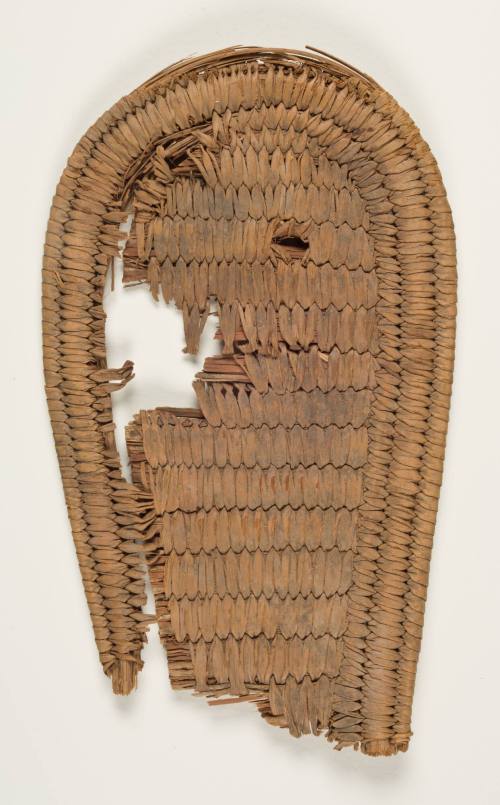
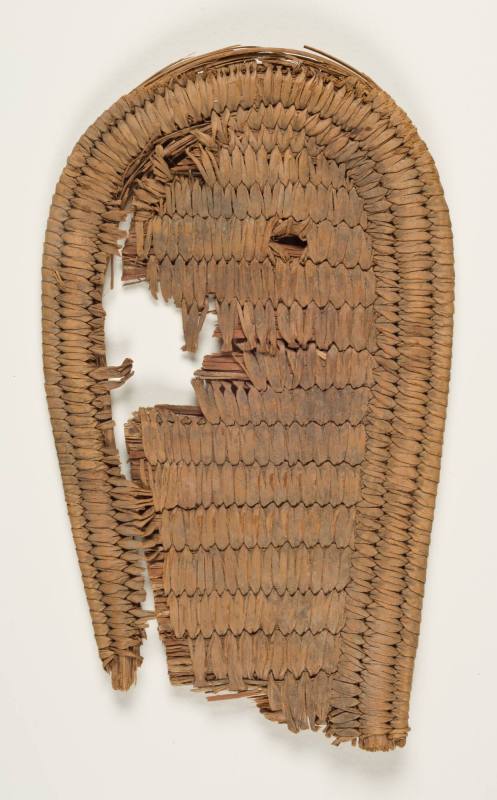
Rush Sandal Piece
Skip to main content
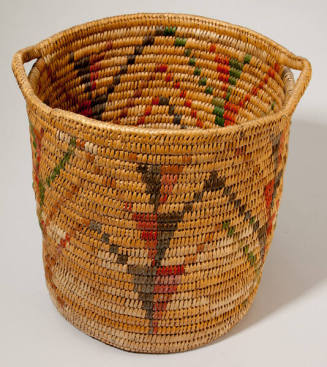
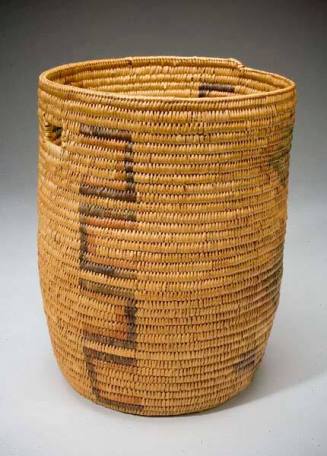
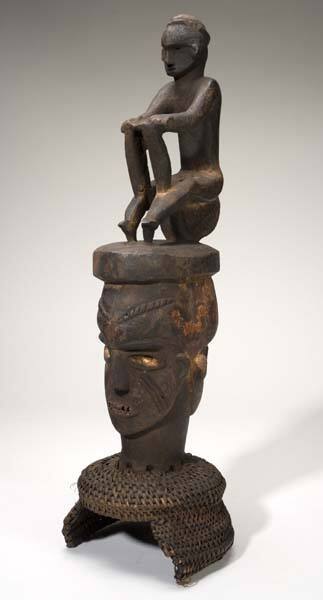



This record is part of an active database and may include information from historic documentation that could be inaccurate or incomplete. We frequently update our records based on ongoing research and review. If you have questions, concerns, or additional information about this object, contact us via this form.
Rush Sandal Piece
Maker
Egyptian
DateNew Kingdom, 18th Dynasty, ca. 1550–1298 B.C.E.
GeographyDayr al Baḩrī, Sūhāj, Egypt, Africa
MediumPlant fiber
Dimensionsoverall (approx.): 8 3/4 in. x 5 1/4 in. (22.2 cm x 13.3 cm)
Credit LineGift of the Egypt Exploration Fund
Object number1905.106
Status
Not on viewRightsCopyright is retained in accordance with U.S. Copyright laws
Photo creditDavis Museum at Wellesley College, Wellesley, MA
More InformationThis woven papyrus sandal is worn and discolored from frequent walking. It likely belonged to a laborer tasked with building the royal temples at Deir el-Bahri, specifically the tomb of Queen Hatshepsut, one of the only female pharaohs of ancient Egypt. According to news reports at the time of the 1905 excavation, a number of other objects excavated from the site attested to the presence of laborers, including a wooden mallet and a basket. A hole located in the top middle of the sandal indicates the placement of a strap that would have run between the owner’s toes. This type of sandal provided a secure fit as its wearer built temples that would withstand the test of time.