Téra-Tera

Skip to main content
Téra-Tera
Téra-Tera
Téra-Tera
This record is part of an active database and may include information from historic documentation that could be inaccurate or incomplete. We frequently update our records based on ongoing research and review. If you have questions, concerns, or additional information about this object, contact us via this form.

Téra-Tera

Dateca. 1980s
GeographyNiger, Africa
MediumCotton, synthetic thread
Dimensionsoverall: 62 in. x 104 in. (157.5 cm x 264.2 cm)
Credit LineMuseum purchase, The Dorothy Johnston Towne (Class of 1923) Fund
Object number2020.9.5
Status
Not on view
RightsCopyright is retained in accordance with U.S. Copyright laws
Photo creditDavis Museum at Wellesley College, Wellesley, MA
More Information

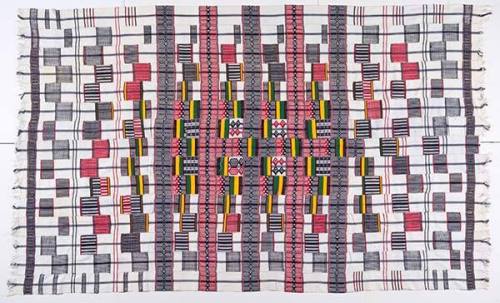
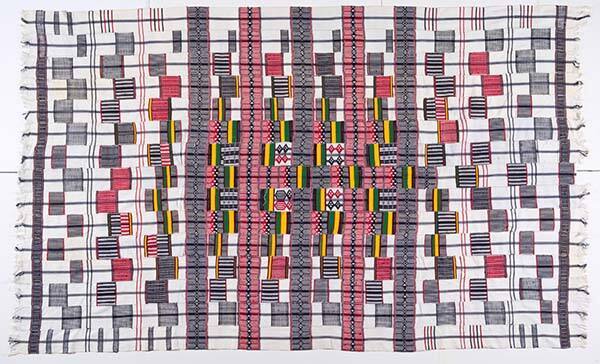
This label was originally published on the Davis website as a New Acquisition post. The Davis Museum recently acquired this téra-tera from John Hutchison, Associate Professor Emeritus of Modern Foreign Languages, Boston University, who purchased it in Niger. Like many handwoven textiles from West Africa, this téra-tera was woven in individual strips that were sewn together to create a larger textile. Used as wrap garments and blankets, all téra-tera cloths feature small rectangular designs in red, black, and white, with particular focus on the babba, a large central section in which more complex motifs are balanced both horizontally and vertically. Green and orange, representing the Nigerien flag, were introduced in the 1960s. 


Invented by Djerma weavers in and around the town of Téra in the 1940s, the téra-tera quickly became the most important kind of textile gifted to both brides and grooms during Djerma weddings. The téra-tera genre grew out of a multicultural milieu: weavers adapted motifs from other traditions, especially Fulani wool weaving, to create a textiles that symbolically wrapped newlyweds in protection and love from their families. Women could use theirs as garments to wrap around the body lengthwise during the day, and men could use theirs as wraps or blankets to wear at home at night. Since Nigerien independence in 1960, the téra-tera has increasingly become a national symbol, and citizens from all cultures in Niger may incorporate one or two into wedding festivities. Beginning in the 1980s, owners have primarily stored them as precious keepsakes, rather than wearing them.
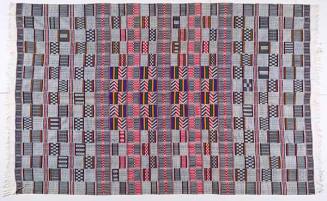
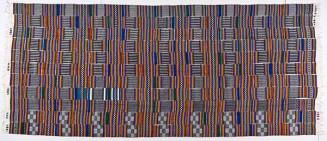
Invented as a genre in the 1940s, the téra-tera quickly became the most important kind of textile gifted to both brides and grooms during Djerma weddings. Distinguished from earlier Djerma textiles by the babba, a large central section in which more complex motifs are balanced both horizontally and vertically, the téra-tera grew out of a multicultural milieu—and would also circulate across West Africa and beyond. Djerma and Bellah Tuareg weavers adapted motifs from other traditions, especially Fulani wool weaving, to create textiles that could serve as both garments and blankets, symbolically wrapping newlyweds in protection and love from their families. Since Nigerien independence in 1960, the téra-tera has increasingly become a national symbol, and citizens from all cultures in Niger may choose to incorporate one or two into wedding festivities. During the twentieth century, it became a notable export commodity. Women often commissioned one textile to keep and another to sell, sometimes to traders who would take it to the Akan regions to the South, where the téra-tera was a coveted luxury item.
Téra-tera Kroukrou
Djerma
ca. 1990s-2000s
Object number: 2020.9.4
Kanta
Djerma
ca. 1980s-90s
Object number: 2020.9.3
Italian
18th century
Object number: 2012.239
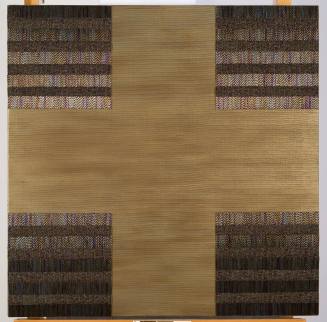
Untitled (Bronze)
Dyani White Hawk
2019
Object number: 2020.23
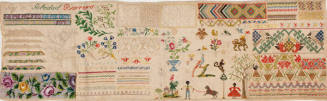
Sampler
Soledad Barrera
ca. 1850
Object number: 2015.8
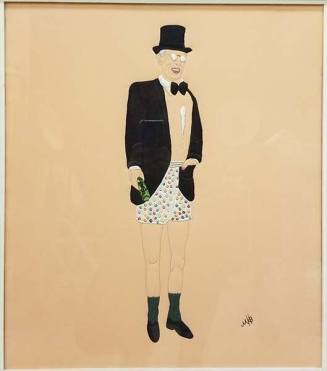
A Man's A Man
Mary K. Borkowski
1969
Object number: 2019.1008
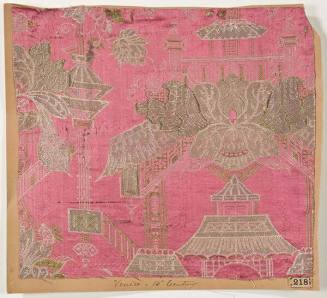
​Textile with Chinoiserie Design/Pattern
French orDutch
​late 17th to early 18th century
Object number: 2012.178
Italian
17th century
Object number: 2012.245
Kuba Dance Skirt
Kuba
early 20th century
Object number: 1997.43
Kesa (Buddhist Priest's Robe) with Pattern of Flowers in Baskets
Japanese
late 18th-early19th century
Object number: 2025.20
Embroidered Panel
Italian
17th century
Object number: 2012.248