Ushabti
Skip to main content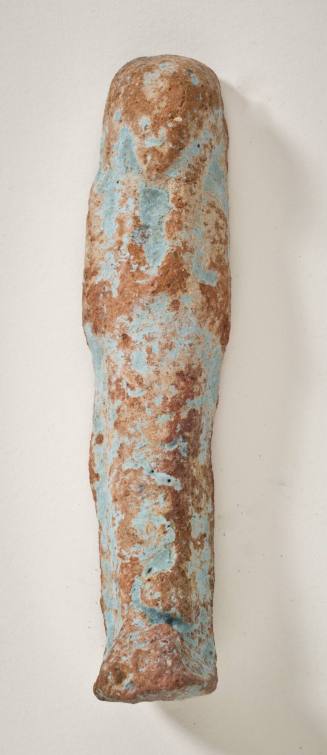

This record is part of an active database and may include information from historic documentation that could be inaccurate or incomplete. We frequently update our records based on ongoing research and review. If you have questions, concerns, or additional information about this object, contact us via this form.
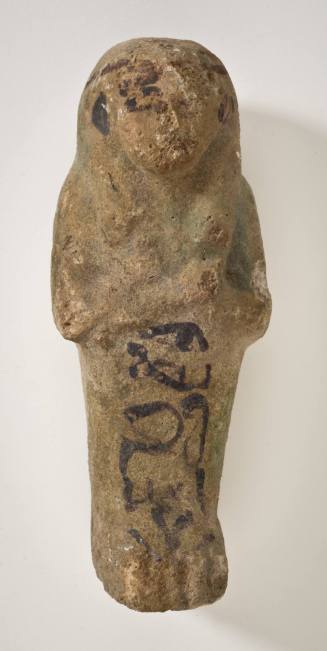
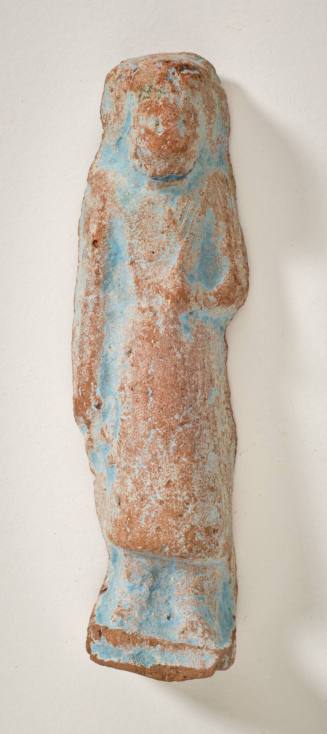
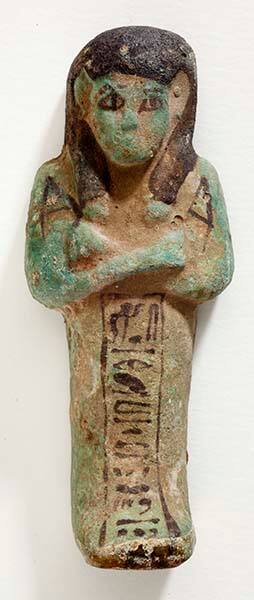
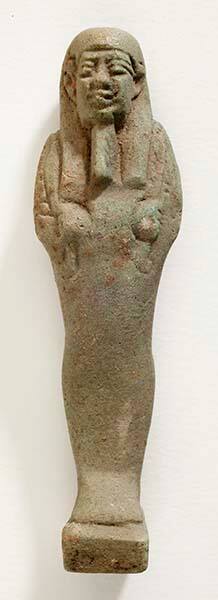
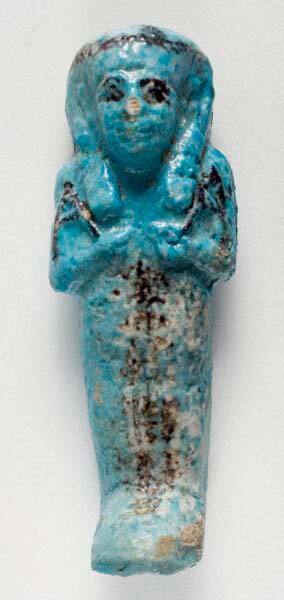
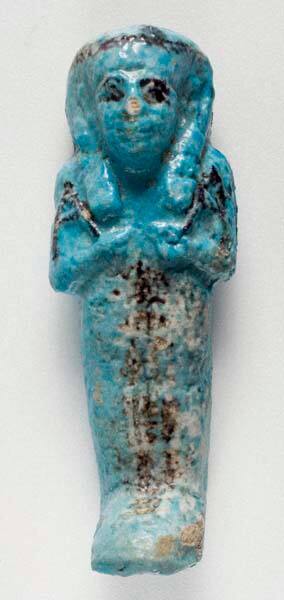
Ushabti
Maker
Egyptian
Date21st Dynasty, 1554-1080 B.C.E.
GeographyEgypt, Africa
MediumEarthenware with tin glaze
Dimensionsheight: 4 1/2 in. (11.4 cm)
Credit LineGift of Edythe Kumin Shulman (Class of 1932)
Object number1986.192
Status
On viewRightsCopyright is retained in accordance with U.S. Copyright laws
Photo creditDavis Museum at Wellesley College, Wellesley, MA
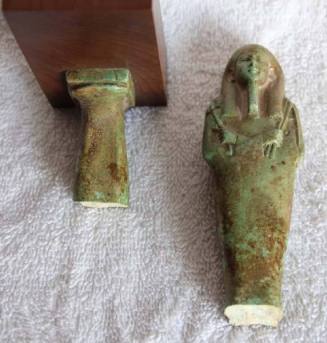
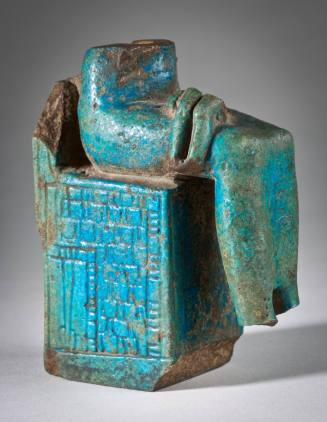
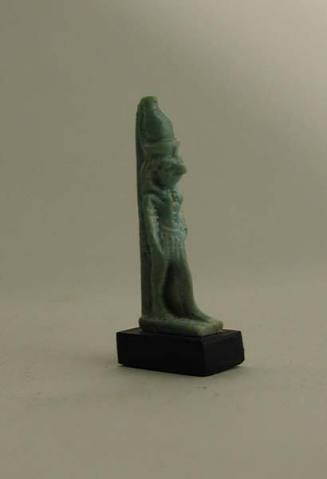
More InformationUshabtis represent servants in the afterlife and would have been buried alongside the pharaoh and other wealthy Egyptians. The figures are often inscribed with a verse that invokes their presence and aid. This specific ushabti is made of faience (earthenware) or quartz (stoneware) covered with a turquoise-colored glaze.
Most of the earliest accessioned items in the Davis Museum’s collections are ancient sculptures and decorative arts from Greece, Rome, Assyria, and Egypt. Direct study from original works of art was an important component of the “Wellesley Method” of teaching art history and informed the first collecting practices on campus. Many of the Egyptian works in this case came from the Egypt Exploration Fund, a London-based organization founded in 1882 to finance archaeological digs. Wellesley College was among the over thirty-five institutions in the United States that subscribed to the fund and in return received dispersals of excavated artifacts. The EEF objects at the Davis were unearthed in excavations that were undertaken between 1886 and 1915. The ancient collections continued to grow through generous gifts by alumnae, such as Edythe Shulman (Class of 1932), the owner and director of Origins Gallery in Boston, which specialized in ancient and tribal art in the 1960s and ’70s.