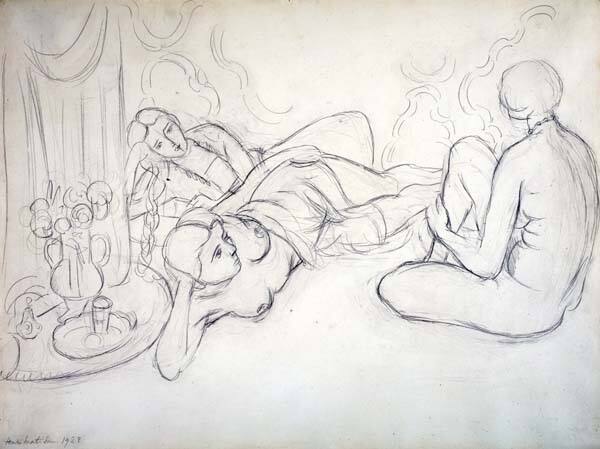
Three Odalisques
Skip to main content
This record is part of an active database and may include information from historic documentation that could be inaccurate or incomplete. We frequently update our records based on ongoing research and review. If you have questions, concerns, or additional information about this object, contact us via this form.
Three Odalisques
Maker
Henri Matisse
(b. 1869, Le Cateau-Cambrésis, France – d. 1954, Nice, France)
Date1928
MediumGraphite on paper
Dimensionsoverall: 15 in. x 20 in. (38.1 cm x 50.8 cm)
Credit LineGift of Norma Wilentz Hess (Class of 1941)
Object number2000.111
Status
Not on viewRightsCopyright is retained in accordance with U.S. Copyright laws
Photo creditDavis Museum at Wellesley College, Wellesley, MA
More InformationThe Davis Museum recently received the generous donation of a significant collection of Chinese scholar’s rocks. The collection consists of more than forty rocks ranging in composition, color, density, and size. An array of turquoise, jasper, coral, wax stone, and more, the stones vary in shades of red, black, green, yellow, blue, and brown, and range in height from an inch to thirty inches. Collected in China from the Tang dynasty (618-907 C.E.) onwards, scholar’s rocks are natural formations prized for their aesthetic qualities, particularly their unique colors and shapes, as well as their ability to invoke and encapsulate the natural world. Usually found in riverbeds, mountains, and other remote locations, the stones would sometimes be enhanced by carving and shaping, or the addition of inscriptions. Named for those who sought and owned the rocks, scholar’s rocks were kept in a garden or a study to provide inspiration. For poets and artists, they evoked a landscape, represented the natural world, and at times the rocks were functionally used as brush rests, incense burners, inkstones, and seals. In his book on scholar’s rocks Worlds Within Worlds, Robert Mowry succinctly stated their use: “Like a landscape painting, the rock represented a microcosm of the universe on which the scholar could meditate within the confines of garden or studio.”
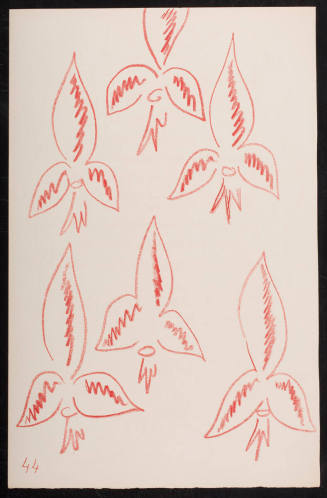
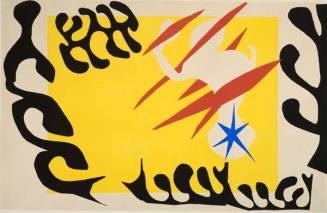
Henri Matisse
1950
Object number: 2022.9.1
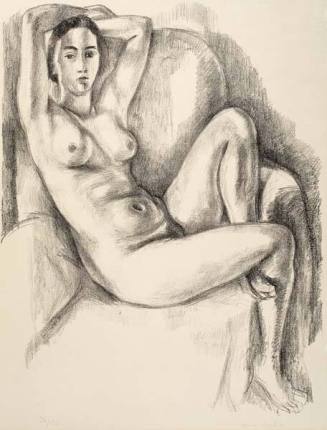
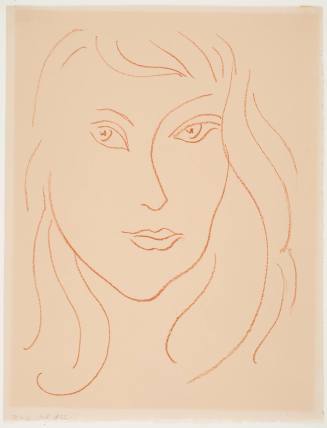
Henri Matisse
1924
Object number: 1979.70