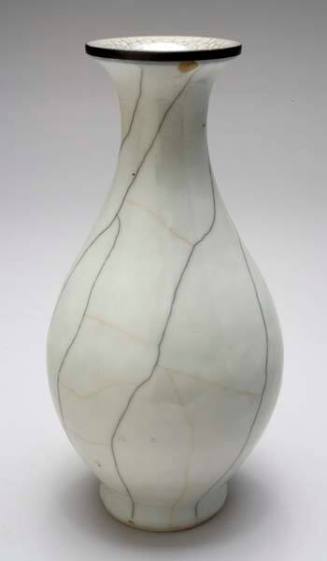
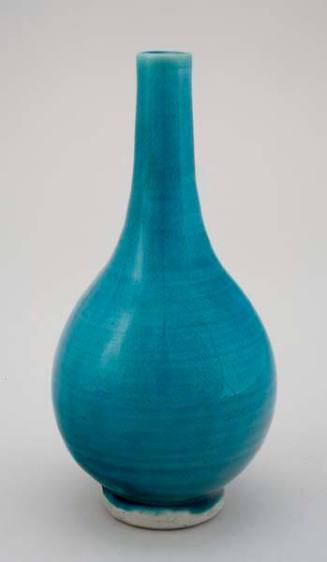
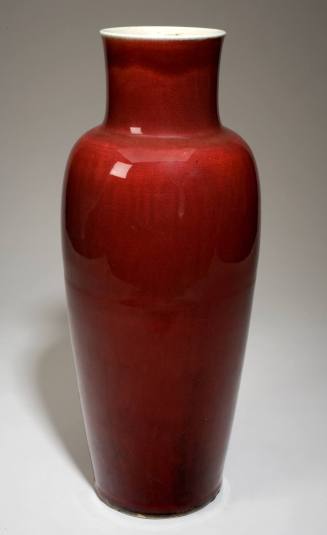
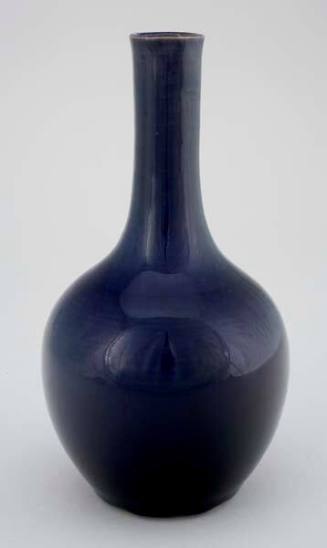
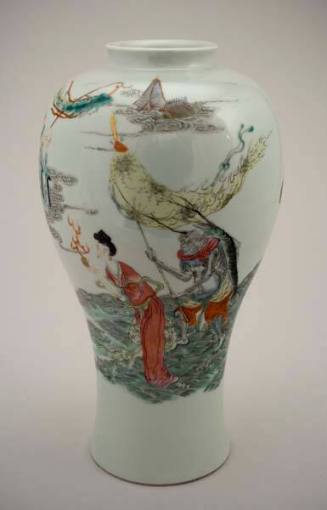
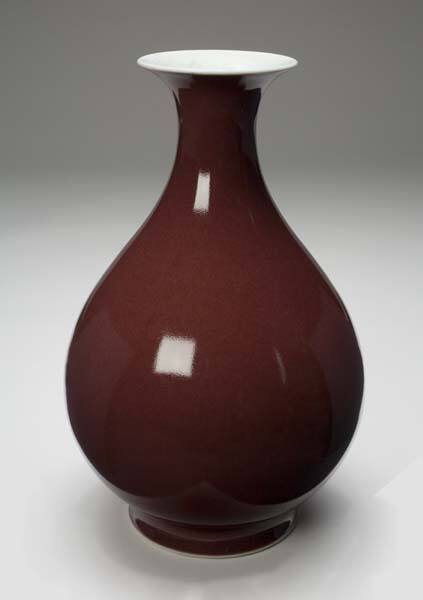
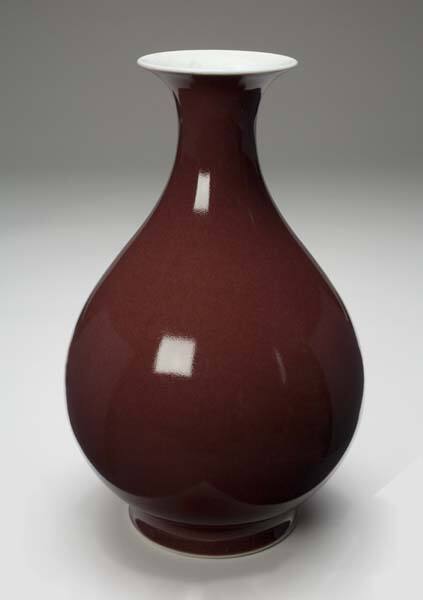
Pear-shaped vase
Skip to main content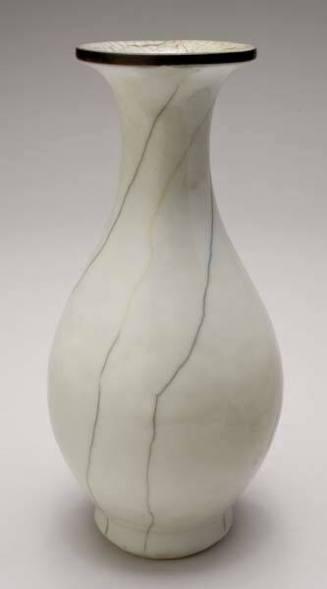



This record is part of an active database and may include information from historic documentation that could be inaccurate or incomplete. We frequently update our records based on ongoing research and review. If you have questions, concerns, or additional information about this object, contact us via this form.
Pear-shaped vase
Maker
Chinese
DateQing dynasty, 20th century
GeographyChina, Asia
MediumPorcelain with copper-red glaze
Dimensionsheight: 10 in. (25.4 cm)
Credit LineGift of Mrs. Arthur J. Cohen (Nellie Zuckerman, Class of 1912)
Object number1975.102.19
Status
Not on viewRightsCopyright is retained in accordance with U.S. Copyright laws
Photo creditDavis Museum at Wellesley College, Wellesley, MA
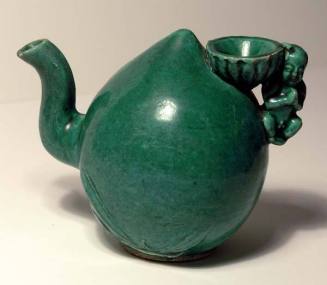
More InformationKangxi period (1662–1722 CE) imperial kilns produced a high-fired copper-red glaze known as sang-de-boeuf, or ox-blood (langyao). First discovered in the Ming dynasty, ox-blood red was popularized and perfected in the Qing, as in the vase in this case. Peach-bloom glaze was another copper-red glaze perfected in the Kangxi period. Featuring shades of red mottled with green that imitate the skin of a peach, the water coupe here showcases the dual colors.
Copper-Red and Peach-Bloom
Imperial kilns during the Kangxi reign (1662–1722 CE) produced the high-fired copper-based langyao glaze, also known as sang de boeuf or oxblood. First discovered during the Ming dynasty, the langyao glaze was popularized and perfected in the Qing period. Peach-bloom glaze is another copper-red glaze that was developed in the Kangxi period. The name derives from the mottled red and green appearance, which imitates the skin of a peach. The water coupe displayed here showcases the dual colors.Chinese
Qing Dynasty, mid-17th - early 18th century
Object number: 1975.102.54.1