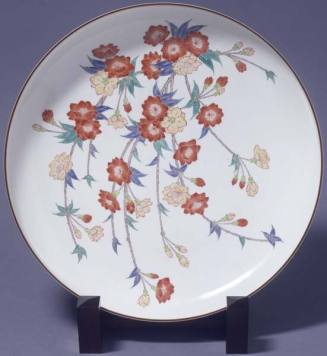
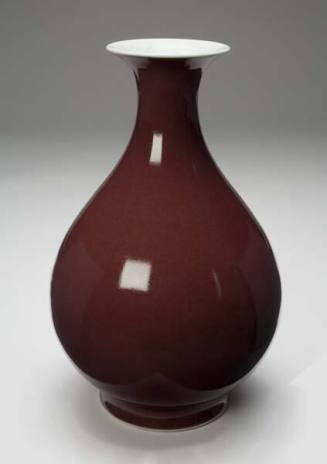
Vase
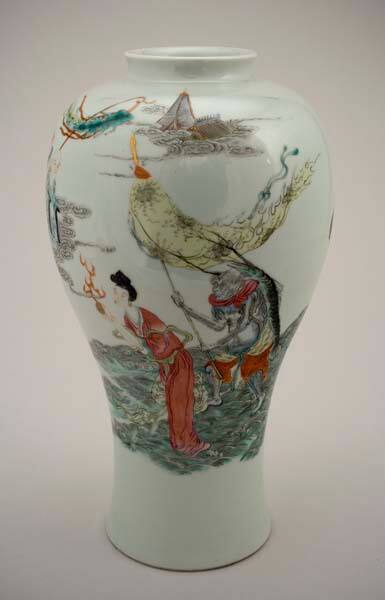
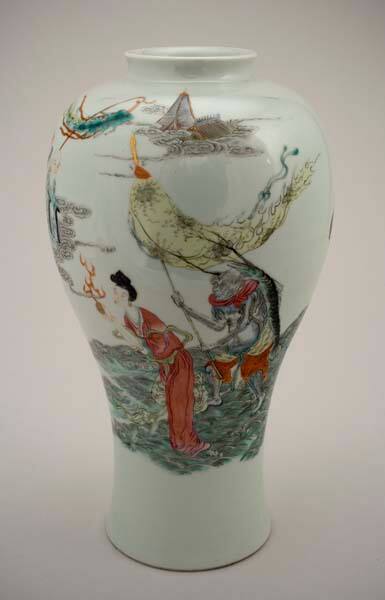
Vase
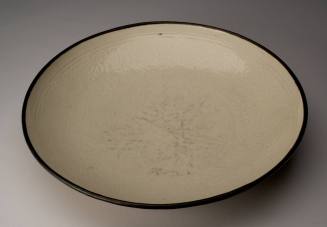
For thousands of years, China’s ceramics industry has been driven by technological innovations and continual efforts to perfect form and color. Chinese potters use a range of clays to produce earthenware, stoneware, and porcelain. Each of these materials is distinguished by its mineral composition, which affects the color, the firing temperature, and the porosity of each artwork. Earthenware objects are fired at the lowest temperatures, while stoneware is fired at higher temperatures and often covered with glaze. Fired at the highest temperatures, porcelain is a hard, white, semi-translucent ceramic ware that is highly prized for its strength and impermeability.
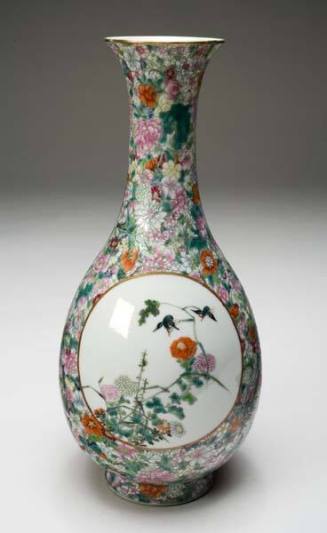
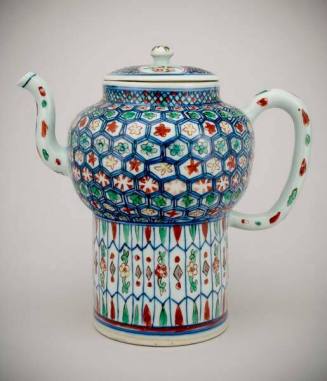
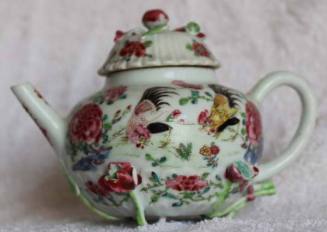
Ceramics in China are admired for their form and decoration, as well as their glazes’ purity of color. Glazes are glass-like coatings fired onto clay, and they come in a range of colors. Glazed ceramics were primarily monochromatic until the invention of the underglaze pigments that artists used to decorate blue-and-white wares. Later, during the Ming dynasty, ceramicists developed additional colors for overglaze decoration by incorporating metals.