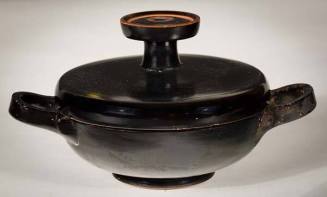
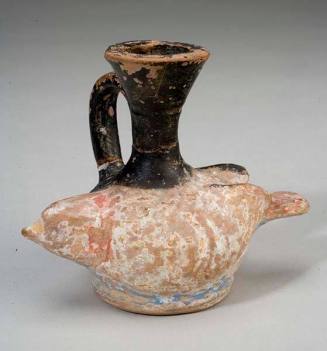
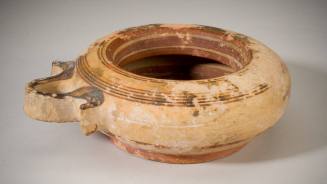
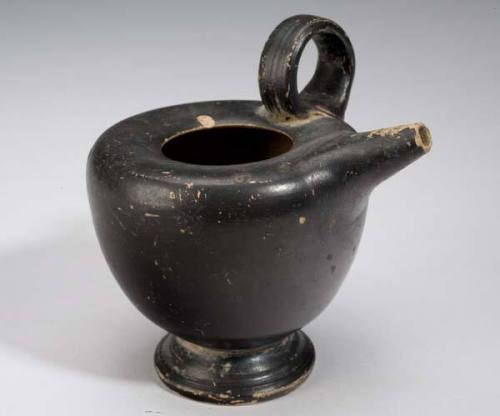
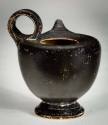
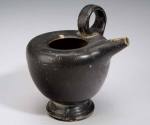
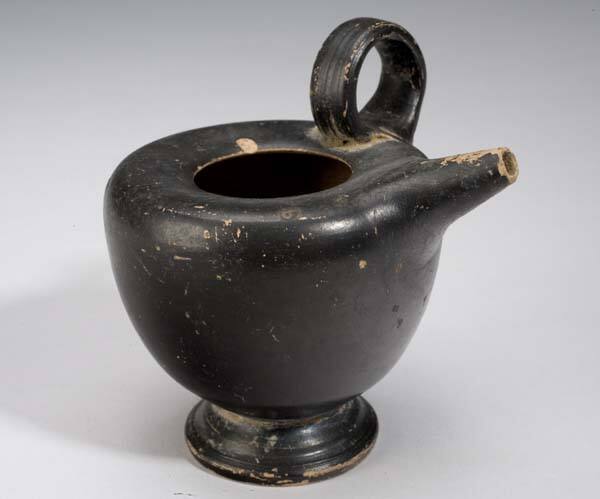
Baby feeder
Skip to main content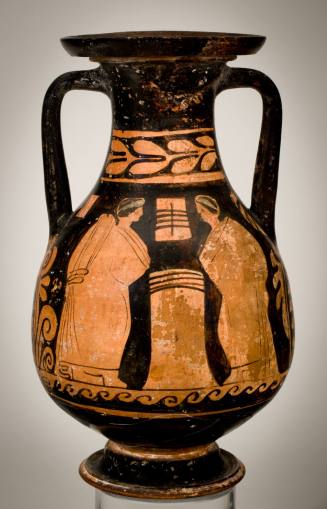
This record is part of an active database and may include information from historic documentation that could be inaccurate or incomplete. We frequently update our records based on ongoing research and review. If you have questions, concerns, or additional information about this object, contact us via this form.
Baby feeder
Maker
Greek
Date5th-4th century B.C.E.
GeographyItaly, Europe
MediumTerracotta
Dimensionsoverall: 3 3/8 in. x 3 1/2 in. x 3 1/4 in. (8.6 cm x 8.9 cm x 8.3 cm)
Credit LineGift of Edythe Kumin Shulman (Class of 1932)
Object number1986.204
Status
On viewRightsCopyright is retained in accordance with U.S. Copyright laws
Photo creditDavis Museum at Wellesley College, Wellesley, MA
More InformationVase and Vessel Shapes and Their Uses
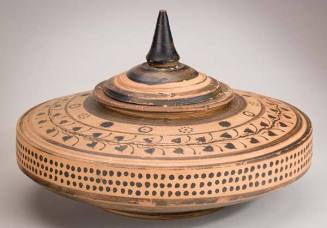
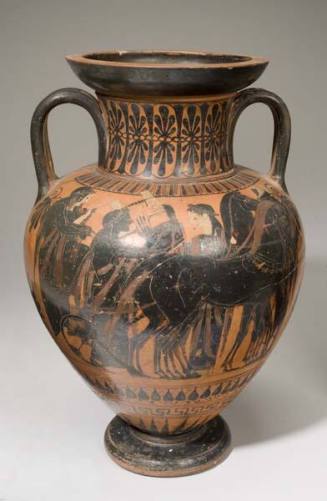
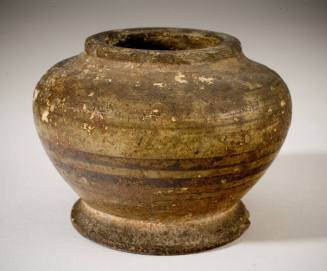
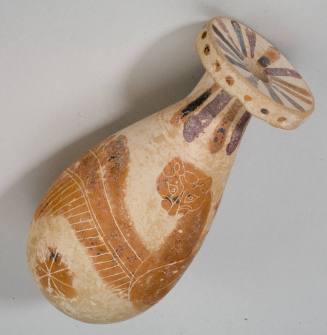
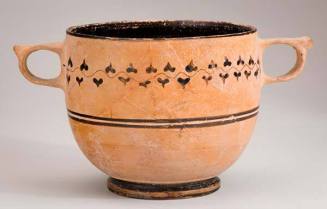
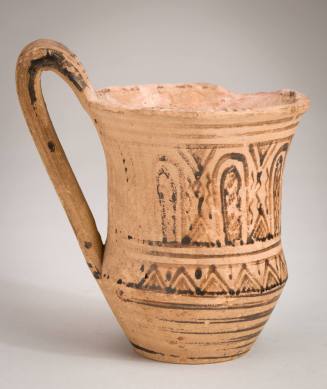
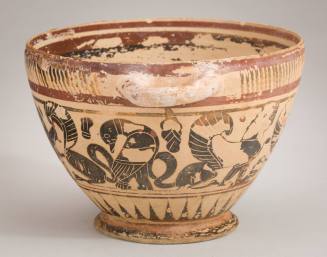
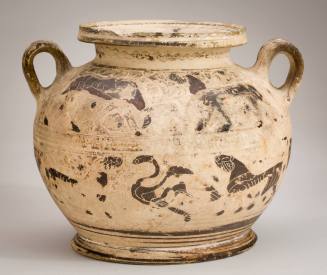
Ancient potters produced vessels in many shapes and sizes according to their intended functions. Ceramic vessels such as the amphora or hydria played a role in the storage and transportation of water while others were designated for the important task of preparing and drinking wine. While the krater was used to mix wine and water, the kyathos was used to ladle, the oichonoe to pour, and the kylix and skyphos to drink wine. Smaller vessels like the lekythos are more associated with oil, used primarily for anointing the body and particularly in ceremonial funerary contexts. Vessels for personal use, such as the alabastron, aryballos, and exaleiptron, held oils, perfumes, and cosmetics, while the pyxis and lekanis typically held jewelry and cosmetics. The decorations and scenes found on these vessels are often related directly to their use.Greek
Archaic period, late 6th century B.C.E.
Object number: 1973.56